
Albums
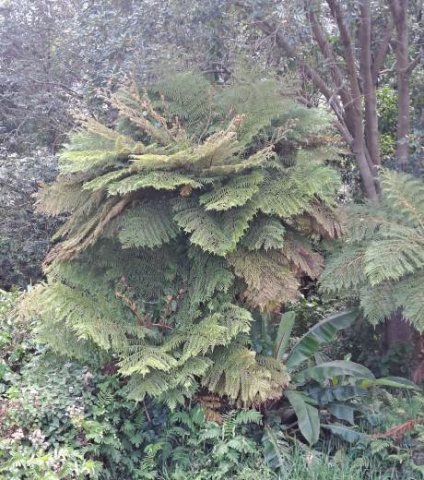
Tree fern and garden partners
Author: Ivan Lätti
Photographer: Francelle van Zyl
Tree ferns are charismatic, ancient plants.
Charismatic because they are elusive, being demanding in cultivation and depending heavily on species choice, microclimate and long-term care. Ferns like these require moist soil without saturation but with organic material, shade and shelter, humid air, and protection against frost, dry wind and harsh sun.
Ancient because they recall a primaeval existence that few later-arriving plant groups on earth can match. The ancestors of today’s tree ferns existed long before flowering plants evolved. Fern lineages arose in the Devonian period over 380 million years ago, the “Age of Ferns” harking back to times people never saw. Flowering plants, the angiosperms, only appeared later, around the early Cretaceous period from about 145 million years ago, long before the dinosaurs departed around 66 million years ago. This means that tree ferns were already components of forests before the first flower ever opened.
Many descendant fern species form part of our world today. They are not nearly as dominant as in their ancient heyday, often persisting in secluded ecological habitats — humid ravines, forest margins, and other sheltered places.
Their presence invites curiosity: they hint at what once was, and they reward close attention to what still is. Many people are interested in knowing what went on, and what goes on. The eye does not tire of seeing.
The resources and knowledge concentrated in what the best botanical gardens present to citizens from here and tourists from afar can hardly be matched in private gardens. Not on the scale loved by the many high-curiosity visitors. A botanical garden can display plants such as tree ferns on a scale and in a setting few private gardens can match. Kirstenbosch exists because so many people need to connect with admired highlights of the natural environment (Wikipedia; https://en.jardineriaon.com; https://www.epicgardening.com).