
Albums
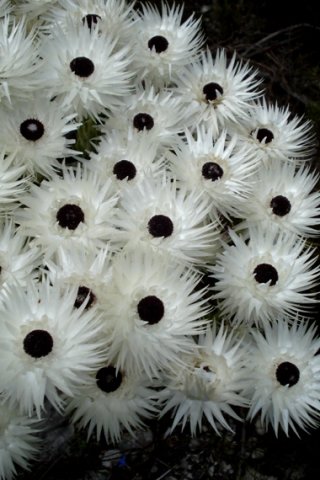
Syncarpha vestita not taking any chances
Author: Ivan Lätti
Photographer: Judd Kirkel Welwitch
The profusion of flowerheads over the foliage of Syncarpha vestita comes about from branching of the soft stems, woody at the base. They grow straight, erect and densely together in their upper parts. Every stem-tip delivers its almost standard flowerhead at roughly the same height. This shapes an inviting landing site for the diversity of flying insects frequenting the business area of the plant. They all feed here while running pollen errands among the flowerheads without even knowing. Many S. vestita seeds result, and this small part of the world is in good working order.
On overcast days low in temperature, the bracts remain closed, opening only for action on bright sunny days. Flowerheads last for several weeks, from late spring to after midsummer.
After the blooming season, wind carries the tiny fruits away on adventures into the unknown. Each fruit contains a seed that is endowed with a small tuft of bristles facilitating the flight. If there's good soil at the landing site, something to catch a bristle and stabilise the fruit body, there is the wait for rain. The touch of moisture makes the magic: new life, new leaves, some roots, and the future is upon it (Manning, 2009; iNaturalist; https://pza.sanbi.org).