
Albums
City and nature
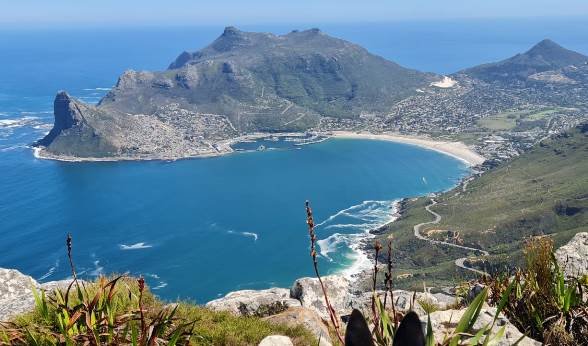
Author: Ivan Lätti
Photographer: Uri Mitrani
The picturesque parts of the world are often sought by people as their favourite spots to live. Cities grow and sometimes swamp or erase the natural beauty that existed before people. The change people inflict slides on a scale balanced by the sense to preserve what they valued at the start. Suburbs, roads, firebreaks, and other bits of infrastructure all carve their slices off the starting natural landscape.
Mountains present the rugged kind of beauty that challenge full transformation into the human comfort zone. Some of the most beautiful cities are close to mountains. The huddle of nature and culture is superficially amicable. Nature continuously works hard at holding her own, also in and around cities. Her successes appear to people as if she is smiling back, or increasing the costs.
Today’s urban animal life residu on the Cape Peninsula, mainly baboons, caracals, porcupines, and even leopards are squeezed continually into smaller and smaller spaces. Whether nature’s smile has morphed to grimace is now strong suspicion, more than riddle, not leaving us with good thoughts about the way things are going.
How good it all looked before the first people arrived is spilt milk. Whatever remains of mountains by the sea next to a city continues to appear pretty to later generations, no matter the violation of what there had been. Residents have full or limited awareness that this isn’t what their grandparents were looking at. Latecomers are in a bind to use the land, remembering to be careful, to conserve, while remaining aware of needs that drive the ongoing slide hurting nature. The inescapable fact? Tamed land is disfigured land. And time deals harshly with comparisons of the escalation where comparisons are made.
Loving the mountains can harm the mountains, a paradox appearing a lesser one, or inviting despair as even the outdoor culture of hiking, trail running, mountain biking, and dog walking leave footprints. Literally. Also footprints of desperate people dropped out of society, living in the mountain reserves, as out of sight as possible.
People understand all that. They all have to live somewhere, so they have to start somewhere in fixing this. People also love beautiful cities and the compromises may be clever against increasing odds. But what will the generations down the line still have to do here for the benefit of the ones coming after them?