
Disperis virginalis living as if it will outlive the forest
Author: Ivan Lätti
Photographer: Judd Kirkel Welwitch
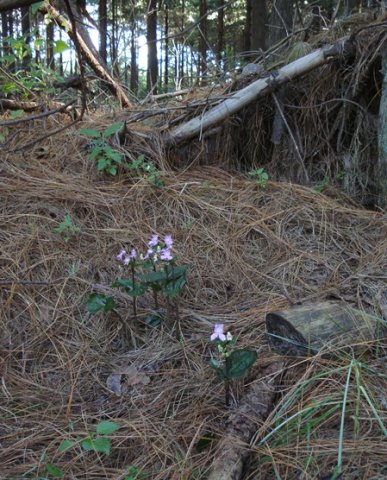
The terrain where many plants, including Disperis virginalis may be found fending for themselves today is not always nature in the true sense of the word. Home is then a spot containing human alterations to what used to be natural habitat. What falls from the plantation trees or is left there by foresters, forms the backdrop of these flowers of this land, their land. Before saying it’s not ideal, accept that it’s better than nothing, and a brave undertaking.
People are just another earthly kind, scratching a lot more than the average intrusive species in creating its own comfort zone. When other arriving animals and plants settle among human leftovers, they carry on as is their wont, as close to natural as their ways always were. If people have guilt feelings about this, it is their problem. Every species lives in accordance with its life needs, expressing unique phenology through all its seasons in accordance with the endowment in its genes. Many flowers live lightly, score better than human kids on keeping their rooms clean.
When an orchid in a pine plantation finds microhabitat conveniences like a gap in the canopy, a moist hollow or a decaying log, it copes, persists in the tolerable conditions of the moment. Adapting fully to a new environment resumes naturally only later, as more things may fall into place over time. A spot like this becomes a temporary refuge, rarely replacing the ecological complexity of the original habitat of the species, but it will do for now.
Survival in nature is about taking the long view that starts with making it today, without even knowing it.