
Going to the mountain
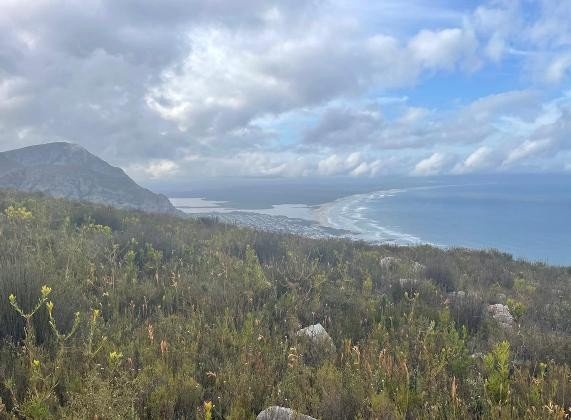
Author: Ivan Lätti
Photographer: Francelle van Zyl
Getting away from it all by climbing a mountain works better in small groups than big ones. Regaining composure after stressful days and weeks, succeeds for many by avoiding crowds. People that do relax in crowds do it in different environments, achieve other objectives, fitting into dissimilar mindsets. The more these people remain where they are, the less crowded and less trampled mountain and bush remain. But they do not always know what they're missing. The bush is an acquired taste. The young should be introduced to it in a proper way.
What lives on the mountain also appreciates the smaller, quieter groups of hikers attuned to the veld. These mountain inhabitants watch all comers, mainly by remaining unseen, especially avoiding the rowdy, trampling, littering crowds that remember their montane experience on the never again basis.
Younger, stronger, working people hiking over weekends and holidays may target strenuous objectives, keeping their parties small. Older and retired groups tend to be a bit more gregarious, well prepared, and safety conscious. They avoid testing limits of the too strenuous exercise, testing the limits, and remote destinations kinds. Then there are the exceptions that prove all the rules.
People’s veld use patterns impact lightly or severely on nature, destinations nearer the urban areas carrying more traffic, the remote parts visited more lightly. The clichéd notion of borrowing nature from the generations to come remains significant in conservation. Staying away is not the answer, but caring for what is there out of respect goes without saying. And taking notice of what goes on may contribute to the work of institutions responsible for conservation.